
After a traumatic experience, people may hear that they should “move on” or “put it behind them.” But trauma doesn’t always fade on its own. Even when life looks normal from the outside, the mind and body can still be working to process traumatic events.
Post-traumatic stress disorder (PTSD) can affect sleep, focus, mood, relationships, and daily routines. It often manifests as flashbacks, nightmares, avoidance, irritability, or a constant sense of feeling on edge. These symptoms can be confusing, especially when the traumatic event happened months, years, or even decades ago.
At Tranceform Wellness, we know healing takes time and trust, but more than that, it takes the right tools. If you’re looking for PTSD treatment near Orlando, our team offers trauma-informed care that respects your pace and supports your long-term well-being.
The Science Behind PTSD
PTSD can develop after someone experiences or witnesses a traumatic event.
During such events, the brain and body shift into survival mode. Stress hormones rise, and the nervous system prepares to fight, flee, or freeze. These reactions can protect a person during immediate danger. But after the event ends, the brain may continue responding as if the threat is still present.
This is one reason PTSD can feel so physical. A sound, smell, location, or even a tone of voice, can trigger a reaction before a person even has time to think. The body tenses, the heart races, and the mind returns to the traumatic moment.
PTSD isn’t a sign of weakness. It’s a mental health condition stemming from how the brain stores and responds to overwhelming experiences. With the right support, patients can learn how to process trauma and rebuild a stronger sense of safety.
The Symptoms of PTSD
PTSD symptoms vary between patients. Some people experience vivid flashbacks or nightmares. Others feel emotionally numb or constantly alert. Symptoms can appear soon after trauma, or they may surface much later.
- Common PTSD symptoms include:
- Flashbacks or intrusive memories
- Nightmares or sleep problems
- Feeling detached
- Negative thoughts about yourself or the world
- Guilt, shame, fear, or anger
- Trouble concentrating
- Irritability or sudden outbursts
- Being easily startled
These symptoms can affect work, relationships, and basic daily tasks. Some patients avoid people or places that remind them of what happened. Others push through the day while feeling exhausted and emotionally distant.
If your symptoms last longer than a month or interfere with daily life, you may benefit from PTSD treatment near Orlando.
Events That Lead to PTSD
PTSD occurs following a wide range of experiences. And even if two people live through the same experience, they may not have the same symptoms.
Some people develop PTSD after a single event. Others experience symptoms after repeated stress or long-term exposure to unsafe situations.
Veterans, first responders, survivors of abuse, and people with early childhood trauma often face unique challenges.
Events that lead to PTSD include:
- Physical or sexual assault
- Childhood abuse or neglect
- Domestic violence
- Combat exposure
- Serious accidents
- Medical trauma
- Sudden loss
- Natural disasters
Because trauma affects each person differently, treatment should never feel generic. A safe evaluation gives patients space to describe their symptoms without pressure, judgment, or the need to share every detail before they feel ready.
The Treatment Process
At Tranceform Wellness, PTSD care begins with a thorough psychiatric evaluation. This step helps us understand your symptoms, history, current stressors, and treatment goals. We’ll ask about sleep, mood, triggers, relationships, work, past treatment, and any medications you currently take.

We’ll also look for related concerns. PTSD symptoms can overlap with those of anxiety, depression, substance use, insomnia, ADHD, or panic disorders. Understanding the full picture helps us build a plan that fits your needs instead of focusing on one symptom alone.
An evaluation isn’t about forcing you to relive the trauma. You only need to share what you feel comfortable sharing. Our providers focus on understanding how symptoms affect your life now and what kind of care may help you feel safer and more stable.
For many patients, PTSD treatment near Orlando starts with this kind of clarity. Once we understand your symptoms and preferences, we can discuss treatment options such as EMDR, CBT, somatic therapy, medication management, or a combination of approaches.
EMDR
Eye movement desensitization and reprocessing (EMDR) is a therapy method experts often use to treat PTSD and trauma-related symptoms. EMDR helps the brain reprocess distressing memories so they feel less overwhelming.

During EMDR, a trained clinician guides the patient through structured steps while using bilateral stimulation, such as eye movements or tapping.
This helps reduce the emotional intensity connected to the memory.
EMDR often helps patients who feel stuck in the past or triggered by reminders of what happened. This treatment can also appeal to patients who don’t want to talk through every detail of the trauma. While some discussion occurs during treatment, EMDR doesn’t always require patients to retell the full event in depth.
At Tranceform Wellness, we use EMDR as part of trauma-informed care when it fits the patient’s needs. The process moves at a careful pace, with attention to safety, grounding, and emotional readiness.
CBT
Cognitive behavioral therapy (CBT) focuses on the connection between the patient’s thoughts and behaviors. For PTSD, CBT helps patients identify behavioral patterns that keep distress active so they can develop healthier responses.
After trauma, people can develop beliefs such as “I’m not safe,” “It was my fault,” or “I can’t trust anyone.” These beliefs may feel true because the nervous system is trying to prevent future harm. But with time, they can increase fear, guilt, avoidance, and isolation.
CBT helps patients examine these patterns in a structured way. During CBT, our providers teach patients healthy methods of managing triggers, and responding to fear or shame. CBT can also help patients understand how trauma affects the brain and body.
For many people seeking PTSD treatment near Orlando, CBT offers practical tools they can use outside of therapy sessions.
Somatic Therapy
Trauma is not entirely mental. It can also manifest as physical symptoms. It causes tension, numbness, fatigue, shallow breathing, stomach discomfort, headaches, or a constant sense of alertness.
Somatic therapy focuses on the mind-body connection. This approach uses techniques like body awareness, breathwork, movement, and grounding to help patients process trauma safely.
Rather than relying only on conversation, somatic therapy helps patients notice how the body responds to stress.
For some patients, this can feel less overwhelming than traditional talk therapy. It may help them recognize early signs of activation, return to the present moment, and release stored tension. Somatic work can also support people who feel disconnected from their bodies after trauma.
At Tranceform Wellness, somatic therapy may be part of a broader trauma-informed plan. We use it to support emotional regulation and foster a stronger sense of safety.
Medication Management
At Tranceform Wellness, medication management begins with a comprehensive evaluation so we can better understand your symptoms, medical history, and treatment goals.
If medication is appropriate, our providers will explain your options clearly and recommend the right option to address your concerns.

Medication often works best in combination with approaches like EMDR, CBT, or somatic therapy. A combined approach can help patients build both immediate symptom relief and long-term coping tools.
Why Individualized Care Matters
Two patients with similar symptoms may respond to PTSD treatment near Orlando in entirely different ways. One may see results from treatments like CBT or EMDR, while another may benefit more from somatic therapy and medication.
Individualized care helps match treatment to the person, not just the diagnosis. At Tranceform Wellness, our team considers your symptoms, history, comfort level, goals, and daily responsibilities. We also adjust your plan as your needs change.
Lasting Care Beyond Symptom Relief
Healing from PTSD isn’t only about reducing symptoms. It’s also about rebuilding trust in yourself, your body, and the world around you. Lasting care helps patients develop tools they can use long after the appointment ends.
Some patients need short-term help during a difficult period in their lives. Others benefit from longer-term care as they process complex trauma or long-standing symptoms. Both strategies are valid.
We focus on sustainable progress. That means helping patients sleep better, manage triggers, reconnect with relationships, and feel more present in daily life. When patients receive consistent PTSD treatment near Orlando, they can move toward healing with more structure and confidence.
Take the First Step Toward Healing
Moving forward after trauma can be difficult, but you don’t have to do it alone. PTSD can affect the mind, body, and daily life, but treatment reduces distress and rebuilds a sense of safety.
Tranceform Wellness offers EMDR, CBT, somatic therapy, medication management, and personalized treatment planning for patients living with trauma-related symptoms. We meet you where you are and help you take the next step at a pace that feels right.
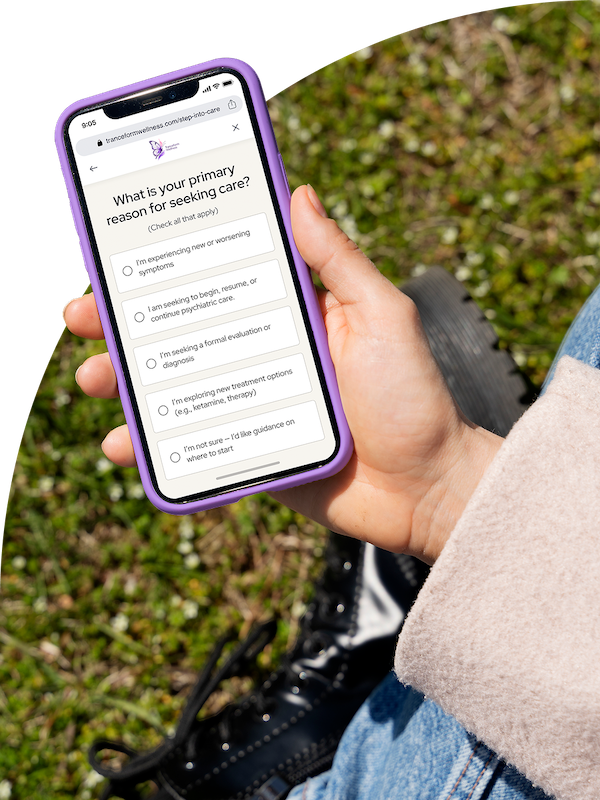
If you’re looking for PTSD treatment near Orlando, request an appointment with Tranceform Wellness today. You can also learn more about your options by taking advantage of our free online tool.