OCD is diagnosed through a clinical interview and mental health assessment. We’ll evaluate the nature, frequency, and impact of your obsessions and compulsions to determine if they meet the criteria.

OCD Treatment in Central Florida
OCD Therapy and Support That Works
You Don’t Have to Fight Alone
Obsessive-compulsive disorder (OCD) can be overwhelming, isolating, and confusing. At Tranceform Wellness, we offer effective OCD treatment in Central Florida that blends therapy, medication, and whole-person support. We work with you to reduce intrusive thoughts, ease compulsive behaviors, and help you build the confidence to live freely.



Understand the Signs of OCD
OCD often shows up as repetitive, unwanted thoughts that won’t go away—these are called obsessions. You might feel a strong need to do certain rituals or routines, like constant hand washing, checking things over and over, or counting. When you can’t complete these habits, it can cause major stress and frustration.
- Repetitive, unwanted thoughts or fears (obsessions)
- Urges to perform rituals or routines (compulsions)
- Excessive hand washing, checking, or counting
- Distress when rituals can’t be completed
- Avoidance of triggers that worsen symptoms
- Mental exhaustion or sleep disruption
- Impact on school, work, or relationships

Intake & Diagnosis
You’ll meet with a licensed clinician who will gather a thorough history of your symptoms, patterns, and how OCD affects your life. If they confirm a diagnosis, we build a treatment plan that fits your needs.

Therapy & Coping Tools
Your therapist will guide you through ERP and CBT techniques, helping you tolerate anxiety and resist compulsions. You’ll learn how to manage triggers and create healthier thought habits.

Medication (if needed) & Ongoing Support
If medication is part of your treatment plan, our providers prescribe and adjust it carefully. We also use ongoing check-ins, skills training, and additional resources to help you build progress long after symptoms improve.


What is OCD?
OCD is a chronic mental health condition marked by persistent, unwanted thoughts (obsessions) and behaviors or rituals (compulsions) that a person feels driven to repeat.
These thoughts and actions go beyond everyday worries or routines. They create anxiety, interfere with daily functioning, and are often deeply distressing. OCD can affect children, teens, and adults.
Examples of Obsessions
- Intrusive fears or thoughts that won’t go away
- Fear of contamination, illness, or germs
- Worries about harming yourself or others
- Needing things to be symmetrical or “just right”
- Unwanted sexual or violent images
- Fear of forgetting something critical
What is OCD?
OCD is a chronic mental health condition marked by persistent, unwanted thoughts (obsessions) and behaviors or rituals (compulsions) that a person feels driven to repeat.
These thoughts and actions go beyond everyday worries or routines. They create anxiety, interfere with daily functioning, and are often deeply distressing. OCD can affect children, teens, and adults.
Examples of Obsessions
- Intrusive fears or thoughts that won’t go away
- Fear of contamination, illness, or germs
- Worries about harming yourself or others
- Needing things to be symmetrical or “just right”
- Unwanted sexual or violent images
- Fear of forgetting something critical
Examples of Compulsions
- Behaviors done to relieve distress from obsessions
- Excessive cleaning or hand washing
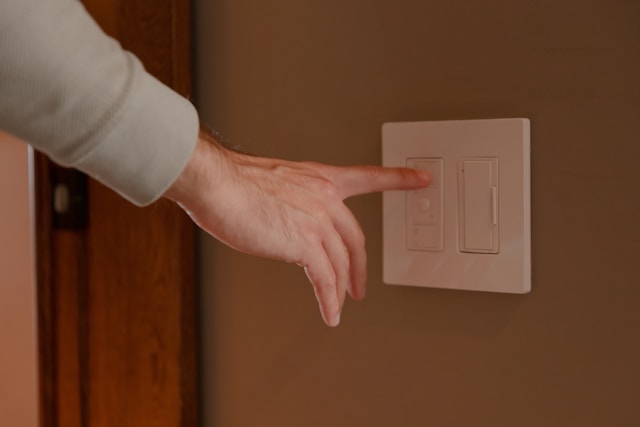
- Checking locks, appliances, or lights repeatedly
- Repeating words, phrases, or movements
- Seeking reassurance over and over
- Arranging items in a specific way
OCD Isn’t About Perfectionism
OCD is frequently misunderstood as a personality quirk or desire for order. For those affected, the condition causes significant emotional distress and can make daily life feel impossible. With treatment, however, symptoms can improve dramatically.
Our Approach to OCD Treatment
We offer evidence-based therapies and personalized care that empower you with OCD treatment in Central Florida.
Exposure & Response Prevention (ERP)
ERP is the gold standard treatment for OCD. This therapy helps you gradually face the fears that trigger your obsessions without performing compulsions. Over time, you learn to tolerate discomfort, which reduces anxiety and breaks the OCD cycle. We’ll guide you at a pace that makes you feel safe and supported.
Cognitive Behavioral Therapy (CBT)
CBT helps you challenge obsessive thinking, reshaping how you respond to anxiety. You’ll develop techniques to reframe irrational fears, reduce guilt, and handle stress more effectively—both in sessions and in daily life.
Medication Management
In many cases, medication can reduce the intensity of symptoms. SSRIs (selective serotonin reuptake inhibitors) are commonly prescribed for OCD and may help make therapy more effective. Our psychiatric providers monitor any symptoms and side effects, then tailor your medications to fit your body and brain.
Compassionate Care, Without the Barriers
You don’t have to wait to feel better. Take the first step by requesting an appointment with our care team.


Yes. Many people benefit from ERP and CBT alone. However, for moderate to severe cases, medication can enhance therapy and help you make faster progress.
Treatment duration varies based on symptom severity and individual goals. Many clients see improvement within 12 to 20 sessions of ERP, but ongoing support may be needed for long-term management.
It’s completely normal to feel nervous. OCD often causes disturbing or taboo thoughts, but we’re here to help, not judge. Everything you share is confidential and approached with empathy.
Yes! We understand that convenience and comfort matter, so we offer secure telehealth therapy options for OCD treatment in Central Florida. Whether you’re seeking exposure and response prevention (ERP), cognitive behavioral therapy (CBT), or other evidence-based treatments for OCD, you can access expert care from home. Virtual sessions provide the same personalized, compassionate support as in-person visits. This approach makes it easier to fit therapy into your life so you can start experiencing relief without delay.
While some patients with OCD may feel compelled to clean their house more often than necessary, the true root of the disorder is much more complicated. Patients with OCD are often prone to intrusive thoughts, which mandate that they complete arbitrary tasks or rituals to feel comfortable in their everyday lives.
In many cases, OCD patients complete these tasks or behaviors because their disorder is telling them it’s protecting their friends or family from harm. For instance, someone with OCD may feel compelled to leave work in the middle of the day to drive home and check the burners in the kitchen. Even if a person knows for a fact that their burners aren’t on, their intrusive thoughts may convince them driving home to check is the only way to prevent a deadly house fire.
These traits can also result in excessive cleanliness commonly associated with OCD. For example, a patient with OCD may spend hours scrubbing their bathroom floor because they believe the tile is hiding invisible traces of mold that could make them or their housemates sick.
Even if a patient knows their behavior is nonsensical, they are willing to complete these actions to protect those around them and silence the worry in their minds. With OCD treatment in Central Florida, our team members can offer relief and silence these intrusive thoughts.
Cognitive-behavioral therapy (CBT) is an efficient method for OCD treatment in Central Florida. People with OCD involuntarily obsess over their intrusive thoughts, making it difficult for them to focus on anything else.
CBT allows patients to break that cycle and avoid spiraling. We train patients to identify negative thought patterns and make intentional choices to break them. By recognizing their intrusive thoughts for what they are, patients can discard them and continue their day without obsessing.
Exposure and Response Prevention (ERP) is another method for treating OCD. Providers gradually expose their patients to distressing stimuli, improving their ability to ignore compulsions and maintain control of their thoughts and actions.
The OCD treatment timeline varies based on the patient, depending on how they respond to medication or adopt and maintain the CBT techniques. However, in many cases, patients notice initial results after about 2 weeks, with those results continuing to improve over the next 6 to 8 weeks.
Intrusive thoughts are negative ideas that pop into the mind without warning, and they’re one of the most common symptoms of OCD. These thoughts may manifest as the desire to harm a dear friend or family member. A patient may also become convinced that performing a mundane action may somehow lead to the death of someone they care about.
When people without OCD have an intrusive thought, they can discard it. However, this disorder can cause a patient to believe that their intrusive thoughts reveal a flaw in their morality, which can lead to thoughts of self-hatred and worthlessness.
At Tranceform Wellness, we can help you break these obsessive cycles with medication, CBT, and other methods of OCD treatment in Central Florida.